



Inca Trail Frequently Asked Questions
- Home
- Inca Trail
- Inca Trail Frequently Asked Questions
CLASSIC INCA TRAIL FAQS
Planning to hike the Classic Inca Trail to Machu Picchu? Here are answers to the most common questions about permits, difficulty, altitude, weather, packing, camps, meals, and the journey to Machu Picchu.

The Sacred Rail Experience
CLASSIC INCA TRAIL FAQS
WHAT IS THE CLASSIC INCA TRAIL?
The Classic Inca Trail is Peru’s most famous trekking route to Machu Picchu. The
approximately 44 km / 27-mile journey follows ancient Inca roads through spectacular
mountain landscapes, archaeological sites, high-altitude passes, cloud forest, and original
stone stairways before reaching Machu Picchu through Inti Punku – the Sun Gate.
HOW MANY DAYS IS THE CLASSIC INCA TRAIL?
The traditional route is a 4-day / 3-night trek. Each day offers a different experience, from
Andean valleys and challenging mountain passes to ancient Inca settlements and lush cloud
forest.
HOW DIFFICULT IS THE INCA TRAIL?
The Classic Inca Trail is challenging. The trek includes steep ascents, long descents, highaltitude sections, uneven terrain, and thousands of ancient stone steps. Good physical
preparation and proper acclimatization are highly recommended.
HOW HIGH IS THE INCA TRAIL?
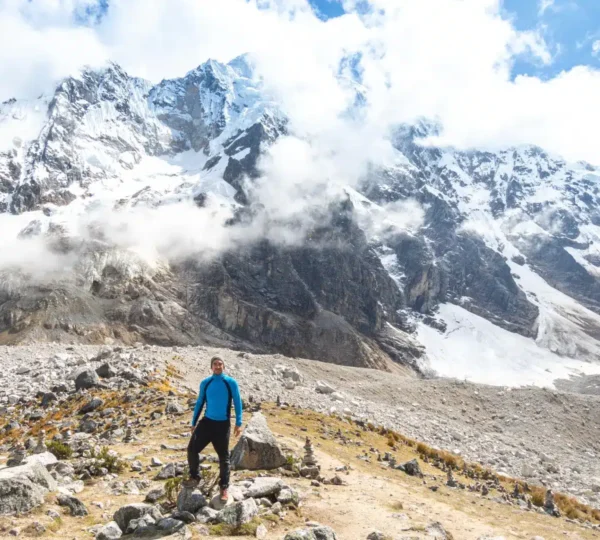
The highest point is Warmiwañusqa – Dead Woman’s Pass, at approximately 4,215 m /
13,829 ft above sea level. The combination of altitude and steep terrain makes
acclimatization particularly important.
HOW MANY HOURS DO WE HIKE EACH DAY?
Trekking times vary depending on the day’s route, weather, trail conditions, and group
pace. Most days involve approximately 5–8 hours of hiking, including rest stops, meals,
and visits to archaeological sites.
DO I NEED TO ACCLIMATIZE BEFORE THE TREK?
Yes. We recommend spending 2–3 full days in the Cusco region before starting the trek.
This gives your body time to adjust to the altitude and helps you prepare for the physical
demands of the trail.
DO I NEED A PERMIT FOR THE INCA TRAIL?
Yes. Every traveler requires an official Inca Trail permit. Permits are limited and
assigned to specific travelers and departure dates, so we strongly recommend booking well
in advance.
WHEN SHOULD I BOOK THE INCA TRAIL?
The earlier, the better. May through August is the most popular trekking period and
demand for permits is particularly high. Booking several months in advance gives you a
much better chance of securing your preferred departure date.
IS THE INCA TRAIL OPEN ALL YEAR?
The Classic Inca Trail normally operates from March through January. It generally
closes throughout February for annual maintenance and conservation work.
WHAT IS THE BEST TIME TO HIKE THE INCA TRAIL?
May through August is the most popular period, with generally drier conditions. April,
September, and October can also be excellent months for trekking. Mountain weather can
change quickly, however, so rain is possible at any time.
WHAT IS THE WEATHER LIKE ON THE INCA TRAIL?
Conditions vary significantly along the route. You may experience sunshine, rain, cold
temperatures, wind, fog, and warmer cloud-forest conditions during the same trek. We
recommend packing layers and reliable rain protection
WHAT SHOULD I PACK FOR THE INCA TRAIL?
Essential items include good hiking boots, layered clothing, rain gear, warm layers,
sunscreen, sunglasses, a hat, reusable water bottle, personal medications, toiletries,
and a headlamp. A comfortable daypack and power bank are also recommended.
DO I HAVE TO CARRY ALL MY LUGGAGE?
No. You normally hike with a small daypack containing the essentials you need during the
day. Depending on your selected service, permitted trekking support staff can transport
your personal duffel between camps.
ARE MEALS INCLUDED ON THE TREK?
Meals are included according to your selected trekking package. Our trekking team
prepares fresh, nourishing meals designed to provide the energy you need throughout the
journey. Vegetarian, vegan, and other dietary requirements can be accommodated when
requested in advance.
ARE THERE TOILETS ALONG THE TRAIL?
Basic toilet facilities are available at designated locations and campsites, although facilities
are simple. Depending on the service selected, a portable toilet tent may also be provided.
CAN I SHOWER DURING THE TREK?
Shower facilities are very limited along the Classic Inca Trail, and hot showers are not
guaranteed. We recommend preparing for a true mountain trekking experience with basic
facilities.
IS THERE PHONE OR WI-FI SIGNAL?
Mobile connectivity is limited and unreliable along much of the trail. Some areas may
have occasional signal, but you should not expect consistent phone or Wi-Fi service.
CAN I CHARGE MY PHONE OR CAMERA?
Reliable charging facilities are not available along most of the trail. Bring a fully charged
power bank and spare batteries if needed.
CAN BEGINNERS HIKE THE CLASSIC INCA TRAIL?
Yes. Previous trekking experience is not essential, but you should be physically prepared
for several consecutive days of hiking at altitude. Regular walking, stair climbing, cardio
training, and practice hikes are recommended before your trip.
CAN CHILDREN HIKE THE INCA TRAIL?
Some active and experienced children can complete the trek. However, the Classic Inca
Trail is physically demanding, so age, fitness, hiking experience, altitude
acclimatization, and motivation should be considered carefully before booking.
CAN I HIKE THE INCA TRAIL PRIVATELY?
Yes. A private Inca Trail is ideal for couples, families, friends, honeymooners, and small
groups who want to trek together with their own dedicated guide and trekking support
team, subject to permit availability.
CAN WE WALK AT OUR OWN PACE?
Private departures offer greater flexibility with trekking pace and rest stops. Your guide can
adapt the rhythm to your group while respecting official checkpoints, campsite
assignments, operating hours, safety requirements, and Inca Trail regulations.
WHAT ARE THE MAIN HIGHLIGHTS OF THE INCA TRAIL?
Major highlights include the ancient Qhapaq Ñan, Patallacta, Runkurakay,
Sayacmarca, Phuyupatamarca, Wiñay Wayna, Warmiwañusqa – Dead Woman’s
Pass, the cloud forest, and the spectacular arrival at Machu Picchu through Inti Punku –
the Sun Gate.
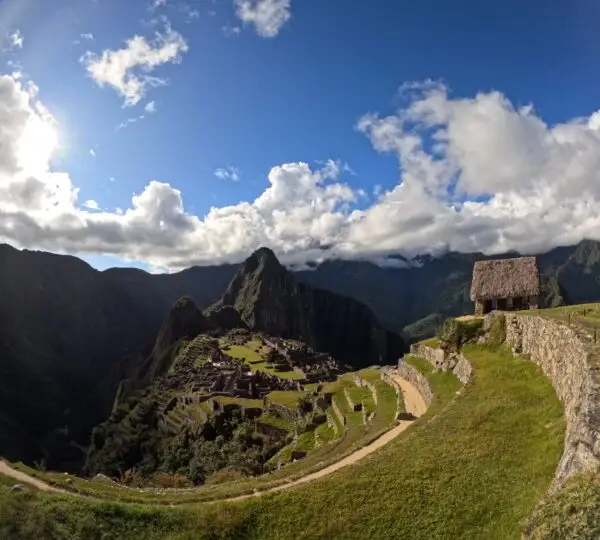
DO WE ENTER MACHU PICCHU THROUGH THE SUN GATE?
Yes. On the traditional 4-day Classic Inca Trail, the route reaches Inti Punku – the Sun
Gate, providing trekkers with their first iconic view of Machu Picchu before continuing
toward the archaeological sanctuary.
WHICH MACHU PICCHU CIRCUIT IS INCLUDED?
Your Machu Picchu visit follows the official circuit assigned to your Inca Trail
entrance. The exact circuit is subject to current regulations, ticket availability, and the
entrance assigned to your trek.
CAN I ADD HUAYNA PICCHU OR MACHU PICCHU MOUNTAIN?
Yes, when available. These additional mountain hikes require separate tickets and must be
compatible with your Machu Picchu schedule and circuit. If you would like to add one, we
recommend requesting it as early as possible.
WHAT HAPPENS AFTER MACHU PICCHU?
After your guided visit, you will travel down to Aguas Calientes, where you can enjoy free
time and lunch before boarding your train. Your onward transportation will depend on your
selected itinerary and can continue toward Ollantaytambo, the Sacred Valley, or Cusco.
CAN THE ITINERARY CHANGE?
Occasionally. Weather, trail conditions, campsite assignments, transportation
operations, emergencies, government instructions, or other circumstances may require
operational changes. Your guide and trekking team will always prioritize safety and official
regulations.
DO I NEED TRAVEL INSURANCE?
Travel insurance is strongly recommended. Ideally, your policy should include highaltitude trekking, medical emergencies, evacuation, trip interruption, and other unexpected travel situations.
WHAT DOCUMENTS DO I NEED?
You should carry your original passport throughout the trek. Your passport information
must correspond with the information used for your Inca Trail and Machu Picchu permits.
IS THE CLASSIC INCA TRAIL WORTH IT?
For travelers who love adventure, history, culture, and spectacular landscapes, the
Classic Inca Trail is an unforgettable experience. You are not simply visiting Machu Picchu
— you are walking an ancient Inca route through the Andes and arriving at the
sanctuary on foot.
READY TO WALK THE INCA TRAIL?
WALK THE ORIGINAL INCA TRAIL.
EXPERIENCE THE ANDES.
ARRIVE AT MACHU PICCHU ON FOOT.
Peru Hikers — Journeys That Change You.