
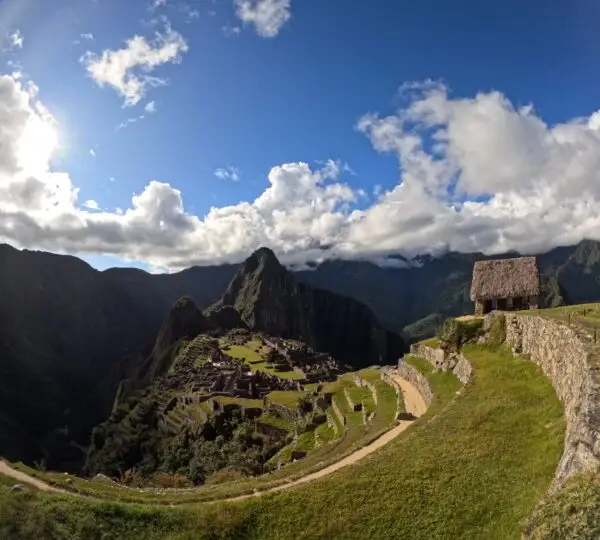

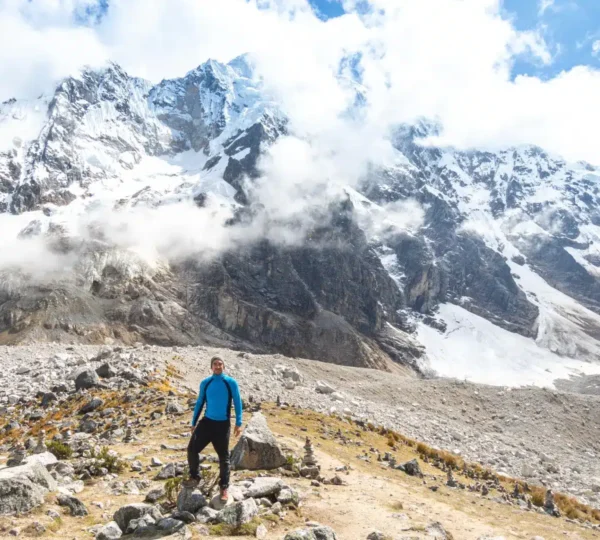


You’ve seen the photographs. The ancient stone citadel rising from the mist, Huayna Picchu towering behind it, the Andean cloud forest stretching in every direction. And now you want to get there, not just by train, but on foot.
But four days on the Classic Inca Trail feels like too much. Maybe you have limited time. Maybe you’re wondering whether you’re fit enough. Maybe you simply want to test the trail before committing to the full experience.
That’s exactly where the Short Inca Trail comes in.
This guide covers everything a first-time hiker needs to know: the routes, the Short Inca Trail difficulty, what to pack, when to go, and why this might be the most rewarding decision you make on your entire Peru trip.
What Is the Short Inca Trail?
The Short Inca Trail is an abbreviated version of the legendary Classic Inca Trail, one of the most celebrated trekking routes on earth. While the Classic covers 43 kilometres over four days, the Short Inca Trail compresses the most dramatic section of that journey into either one or two days.
According to Peru’s Ministerio de Cultura, the government authority that manages access to Machu Picchu and the Inca Trail, the short route begins at Kilometre 104 of the Cusco–Aguas Calientes railway line and follows original Inca stone pathways through cloud forest, past remarkable archaeological sites, and ends at the iconic Sun Gate (Intipunku) , your first, unforgettable, elevated view of Machu Picchu spread out below.
It is the same trail the Incas walked. The same ancient stones. The same mountain air. Just a more accessible entry point.
Short Inca Trail Routes: 1 Day vs 2 Days
There are two main options for the short Inca Trail hike, and which one you choose depends on your time, fitness, and how deeply you want to absorb the experience.
🥾 1 Day Short Inca Trail
- Distance: Approximately 12 km
- Start Point: Kilometre 104
- End Point: Sun Gate → Machu Picchu
- Elevation Gain: Around 900 metres
- Highlights: Wiñay Wayna ruins, cloud forest, Intipunku, Machu Picchu entry
This is the fastest way to arrive at Machu Picchu on foot. You board an early morning train from Cusco or Ollantaytambo to Kilometer 104, begin hiking by mid-morning, reach the incredible Wiñay Wayna Inca site, one of the most impressive and least-visited ruins on the entire trail, pass through cloud forest, and arrive at the Sun Gate in the early afternoon. From there, Machu Picchu awaits.
🥾 2 Day Short Inca Trail, The Recommended Choice for First-Timers
- Distance: 12 km / 7.5 miles, Day 1
- Starting Point: Km 104, Chachabamba
- Elevation Gain: Approx. 700 m (2,300 ft)
- Highest Point: Intipunku (Sun Gate) , 2,720 m (8,924 ft)
- Overnight: Comfortable hotel in Aguas Calientes
Two Days. One Ancient Trail. An Unforgettable Arrival.
The 2-Day Short Inca Trail is the perfect choice for travelers who want to experience the magic of the Inca Trail without committing to a multi-day trek. You get the ancient stone pathways, the cloud forest, the ruins, and the moment at the Sun Gate, all without the physical demand of the Classic 4-day route.
Day 1, The Trail
Your journey begins at Km 104, Chachabamba, where you step onto the original Inca path and leave the modern world behind. The trail winds through spectacular Andean scenery, rising steadily through the cloud forest before reaching the remarkable Chachabamba ruins, an Inca ceremonial site that most Machu Picchu visitors never set eyes on.
From there, the trail continues to Wiñay Wayna, meaning “forever young” in Quechua, one of the most breathtaking Inca sites on the entire trail. Its agricultural terraces, ceremonial fountains, and original water channels still functioning after 500 years make it a genuine highlight of the whole journey.
The final ascent brings you to Intipunku, the Sun Gate at 2,720 metres. And then it happens. Machu Picchu suddenly appears in the valley below you, the citadel, the terraces, Huayna Picchu rising dramatically behind it all. Your first unforgettable view of the Lost City of the Incas.
You descend to the iconic postcard viewpoint inside the citadel and spend the peaceful late afternoon exploring Machu Picchu before the day-trip crowds have thinned. In the evening, your Peru Hikers guide accompanies you down to Aguas Calientes for a well-earned night in a comfortable hotel.
Day 2 , Machu Picchu
Return to Machu Picchu refreshed and unhurried. With a full morning ahead of you, your Peru Hikers licensed guide leads you through the most important temples, plazas, and ceremonial spaces of the citadel , the Sacred Plaza, the Main Temple, the Temple of the Three Windows, and the remarkable Intihuatana stone. This is where the depth of the experience really opens up. The ruins you glimpsed from the Sun Gate the afternoon before now come fully alive with history, archaeology, and the stories of the civilization that built them.
Arriving on Day 2 as an overnight guest rather than a day-tripper means you experience Machu Picchu in a completely different way , more time, less rushing, and the knowledge that you walked here on an ancient Inca path the day before.
Short Inca Trail Difficulty: What to Honestly Expect
Let’s be direct about this because it matters.
The short Inca Trail difficulty is rated moderate, and that rating is honest. This is not a gentle stroll. The trail involves steep stone staircases, significant elevation gain, and sections of uneven ancient paving that demand concentration and decent footwear. The altitude, ranging from around 2,000 metres at Kilometre 104 to over 2,720 metres at the Sun Gate, adds extra challenge, particularly if you haven’t spent time acclimatising in Cusco beforehand.
That said, it is absolutely achievable for first-time hikers with a reasonable base level of fitness. You don’t need to be an experienced trekker or a marathon runner. Thousands of first-time hikers complete the short Inca Trail hike every year, including older travelers, families with teenagers, and people who don’t consider themselves hikers at all.
What makes the difference:
- Spending at least 2 days in Cusco before the hike to acclimatise to the altitude
- Wearing broken-in hiking boots properly; blisters on ancient stone steps are no joke
- Taking it slow and steady; there is no prize for speed on the Inca Trail
- Staying well hydrated throughout the entire day
- Hiring an experienced local guide who knows the trail’s pace, rhythm, and history
What You’ll See Along the Way
This is where the short Inca Trail hike genuinely surprises people, because it’s not just about the destination.
Chachabamba
Your first major archaeological encounter on the 2-day route. Chachabamba is an Inca ceremonial complex sitting at the confluence of the Urubamba and Cusichaca rivers, believed to have served as a ritual cleansing site for pilgrims traveling to Machu Picchu. Its elegant stonework and natural mountain setting make it one of the most atmospheric stops on the entire short route, and one that most Machu Picchu visitors never experience at all.
Wiñay Wayna
This is the crown jewel of the short route. Wiñay Wayna, which means “forever young” in Quechua, is a remarkable Inca site clinging to a steep mountainside above the Urubamba River. It features agricultural terraces, ceremonial fountains with original water channels still functioning after 500 years, and residential sectors that give you a vivid sense of how this civilization lived at altitude. It is one of the finest Inca sites in all of Peru, and it belongs almost exclusively to short trail hikers.
The Cloud Forest
Between Kilometre 104 and Wiñay Wayna, the trail passes through a lush Andean cloud forest , a UNESCO-recognised ecosystem of extraordinary biodiversity. Orchids, native ferns, hummingbirds, and, on lucky days, the flash of a rare mountain bird through the canopy. The air smells alive. It is one of the most beautiful natural environments in South America, and hiking through it rather than looking at it through a train window makes all the difference.
Intipunku, The Sun Gate
Arriving at Intipunku is the moment every short Inca Trail hiker remembers forever. You crest the final stone staircase, step through the ancient gateway, and Machu Picchu appears in the valley below, the citadel, the terraces, Huayna Picchu rising behind it all. If you’ve chosen the 2-day option, you see this on Day 1 in the afternoon light and again on Day 2 at sunrise, two completely different and equally extraordinary versions of the same view. It is, without question, one of the greatest sights on earth.
Permits and Booking: What You Need to Know
This section is critical; do not skip it.
According to the Ministerio de Cultura del Perú, access to the Inca Trail , including the short route , is strictly controlled with daily limits on the number of trekkers permitted. Permits are issued in advance and are non-transferable.
Key rules from the official Peruvian government regulations:
- All trekkers must be accompanied by a licensed tour operator; independent hiking on the Inca Trail is not permitted
- Permits sell out quickly, especially May through September; book at least 2–3 months ahead
- Your passport number must match your permit exactly
- A separate Machu Picchu entrance ticket is required in addition to the trail permit
- The trail closes every February for maintenance and conservation; this is a firm government restriction with no exceptions
At Peru Hikers, all permit arrangements are handled as part of your booking, including your Machu Picchu circuit ticket, train transfers, and licensed guide. You don’t need to navigate the official booking system yourself.
Best Time to Go
The dry season, May to September, offers the most reliable conditions for the short Inca Trail hike, with clear skies, firmer trail surfaces, and the best visibility from the Sun Gate. June, July, and August are peak months, with beautiful conditions, but permits go fast.
October to April brings the wet season. The cloud forest is lush and dramatically green, crowds are thinner, and prices are lower. Rainfall is heavier, particularly December through February, and the trail can be slippery in sections.
For first-time hikers, May, September, or October hit the sweet spot: good weather, manageable crowds, and permits still available with reasonable booking.
Month | Conditions | Crowds | Recommended? |
January–February | Heavy rain, trail closes in Feb | Very low | ❌ |
March–April | Rain easing, lush scenery | Low | ✅ Good value |
May | Dry season begins, clear skies | Moderate | ✅ Excellent |
June–August | Best weather, peak season | High | ✅ Book early |
September | Dry season, easing crowds | Moderate | ✅ Excellent |
October–November | Light rain returning, green trail | Low–Moderate | ✅ Good option |
December | Increasing rainfall | Low | ⚠️ Check forecast |
What to Pack for the Short Inca Trail
Essentials for both routes:
- Broken-in waterproof hiking boots
- Lightweight daypack (15–20 litres)
- 2 litres of water minimum plus purification tablets
- Waterproof jacket , even in dry season, mountain weather shifts fast
- Layers, mornings start cold, afternoons warm up quickly
- High-SPF sunscreen, Andean UV is intense at altitude
- Trekking poles, especially useful on the steep stone descents
- High-energy snacks and protein bars between meals
- Passport, required at the permit checkpoint at Kilometre 104
Additional items for the 2-day option:
- Overnight bag with change of clothes for Aguas Calientes hotel
- Light comfortable shoes for the evening in town
- Headtorch with spare batteries for the pre-dawn Sun Gate walk on Day 2
- Personal toiletries for overnight stay
Why Hike With a Licensed Guide?
Beyond the legal requirement, a licensed local guide transforms the short Inca Trail hike from a walk into a story. The Inca Trail is not just a path; it’s a living history of one of the world’s greatest civilizations. A good guide brings Wiñay Wayna and Chachabamba to life, explains the engineering of the ancient water channels, points out medicinal plants in the cloud forest, and tells you things about Machu Picchu that no guidebook covers.
Peru Hikers’ guides are local, licensed, and deeply knowledgeable; many of them, like founder Daniel, began their careers as Inca Trail porters before training as professional guides. That combination of lived experience and formal knowledge makes every step of the trail richer, safer, and more meaningful.
References
- Ministerio de Cultura del Perú, Official Inca Trail regulations, permit rules and site access: cultura.gob.pe
- UNESCO World Heritage List, Machu Picchu World Heritage Site listing and cloud forest biodiversity recognition: whc.unesco.org
- PromPerú (Commission for the Promotion of Peru) , Official Peru tourism authority, trekking guidelines: peru.travel
Can a beginner hike Machu Picchu?
Yes, and the Short Inca Trail is the ideal route for beginners. Rated moderate in difficulty, it covers around 12 kilometres on Day 1 starting from Km 104, Chachabamba, and is fully achievable for anyone with a basic level of fitness and the right preparation. The most important steps for a beginner are spending at least two days acclimatising in Cusco before the hike, wearing properly broken-in hiking boots, taking the pace slow and steady, and staying well hydrated throughout. Thousands of first-time hikers complete the short Inca Trail hike every year, including people who have never trekked before, and describe it as one of the most rewarding experiences of their lives. Hiking with a licensed guide from Peru Hikers also makes a significant difference for first-timers, both for safety and the richness of the overall experience.
How many days does it take to walk the Inca Trail to Machu Picchu?
It depends on which route you choose. The Classic Inca Trail takes 4 days and 3 nights, covering approximately 43 kilometres from Kilometre 82 to Machu Picchu via the Sun Gate. The Short Inca Trail can be completed in either 1 day (starting at Km 104, covering around 12 km and arriving at Machu Picchu via Intipunku) or 2 days (Day 1 on the trail from Chachabamba to the Sun Gate and Machu Picchu, overnight in a comfortable hotel in Aguas Calientes, Day 2 returning to explore Machu Picchu fully with your guide). For first-time hikers, the 2-day version is the one Peru Hikers always recommends; the combination of the trail, the Sun Gate arrival, an overnight in Aguas Calientes, and a full guided morning at Machu Picchu creates a complete, unhurried experience that a single day simply cannot match.
Is there a 2-day Short Inca Trail trip to Machu Picchu?
Yes , the Short Inca Trail 2-day option is one of the most popular routes Peru Hikers offers, and for very good reason. On Day 1, you begin hiking from Km 104, Chachabamba, explore the ceremonial Chachabamba ruins, continue through the cloud forest to Wiñay Wayna, and ascend to Intipunku, the Sun Gate, for your first breathtaking view of Machu Picchu in the valley below. You then walk down to the citadel for a peaceful afternoon visit before continuing to Aguas Calientes for a comfortable hotel overnight. On Day 2, you return refreshed to Machu Picchu for a full guided morning exploring the temples, plazas, and most significant spaces of the citadel with your licensed Peru Hikers guide. Permits for this route must be booked in advance; Peru Hikers handles all arrangements, including trail permits, Machu Picchu entrance tickets, train transfers, and accommodation as part of your complete package.
How difficult is it to hike the Inca Trail to Machu Picchu?
The Short Inca Trail difficulty is officially rated moderate, which is an accurate and honest assessment. The trail from Km 104 involves steep stone staircases, particularly on the ascent toward Wiñay Wayna and the final climb to Intipunku at 2,720 metres, sections of uneven ancient paving, and the added physical challenge of altitude. For the Classic Inca Trail, the difficulty rises to moderate-to-challenging, with Dead Woman’s Pass at 4,215 metres representing the most demanding section of the entire trek on Day 2. In both cases, the key factors that determine how hard the hike feels are your level of acclimatisation in Cusco beforehand, your footwear, your hydration throughout the day, and the pace you maintain on the trail. Neither route requires technical climbing skills or extreme fitness , but both reward proper preparation, genuine respect for the altitude, and a willingness to take it one ancient stone step at a time.